
Retrospect 2026
Lunga Ntila
07.03.26 - 28.03.26
On Lunga Ntila
Fikile Mali
“There are parts of ourselves that we don’t know well enough to recognise but they are still very much a part of us.” — Lunga Ntila, 2019
We can start with the mirror. The mirror does not contend. Its objective is singular: to return the viewer’s resemblance intact, obedient and the same.
It is meant to confirm what the viewer thinks they know. But sometimes, it resists.
Fracturing what it reflects; the mirror can offer feedback that refuses to settle into a singular version. The mirror misbehaves, refusing obligation for an alternative where rupture can realise expansion.
This is where Lunga Ntila began.
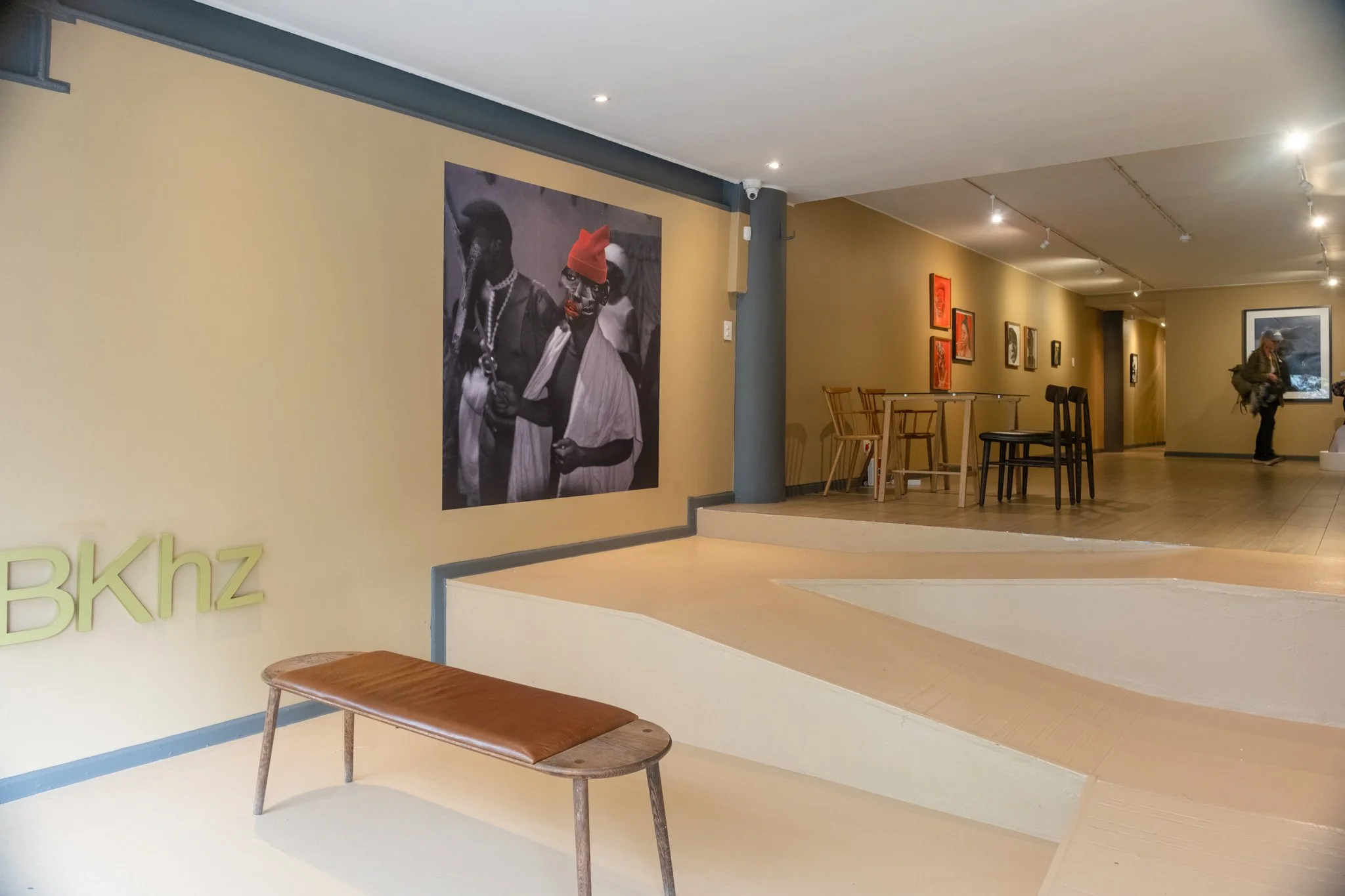
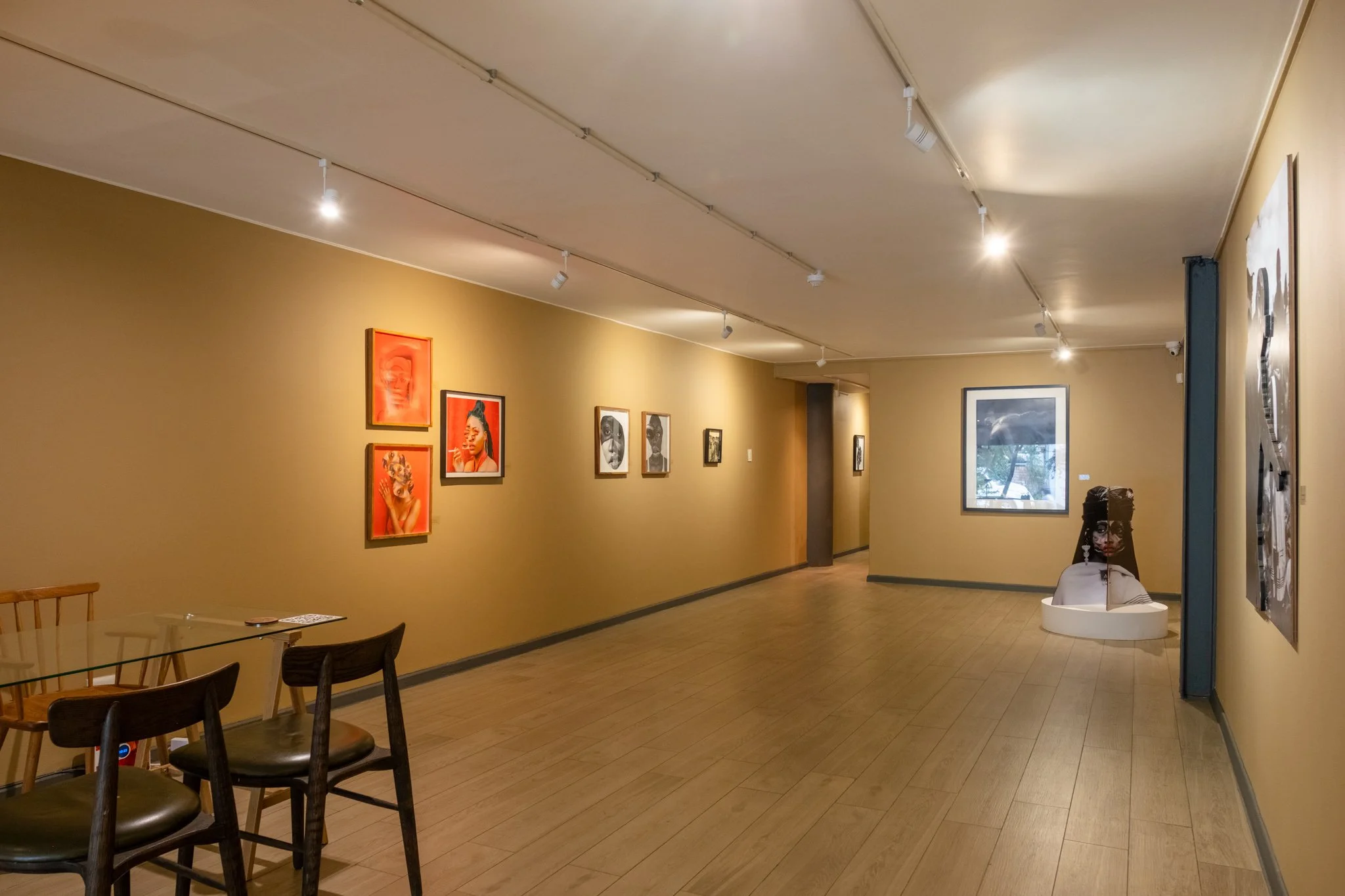
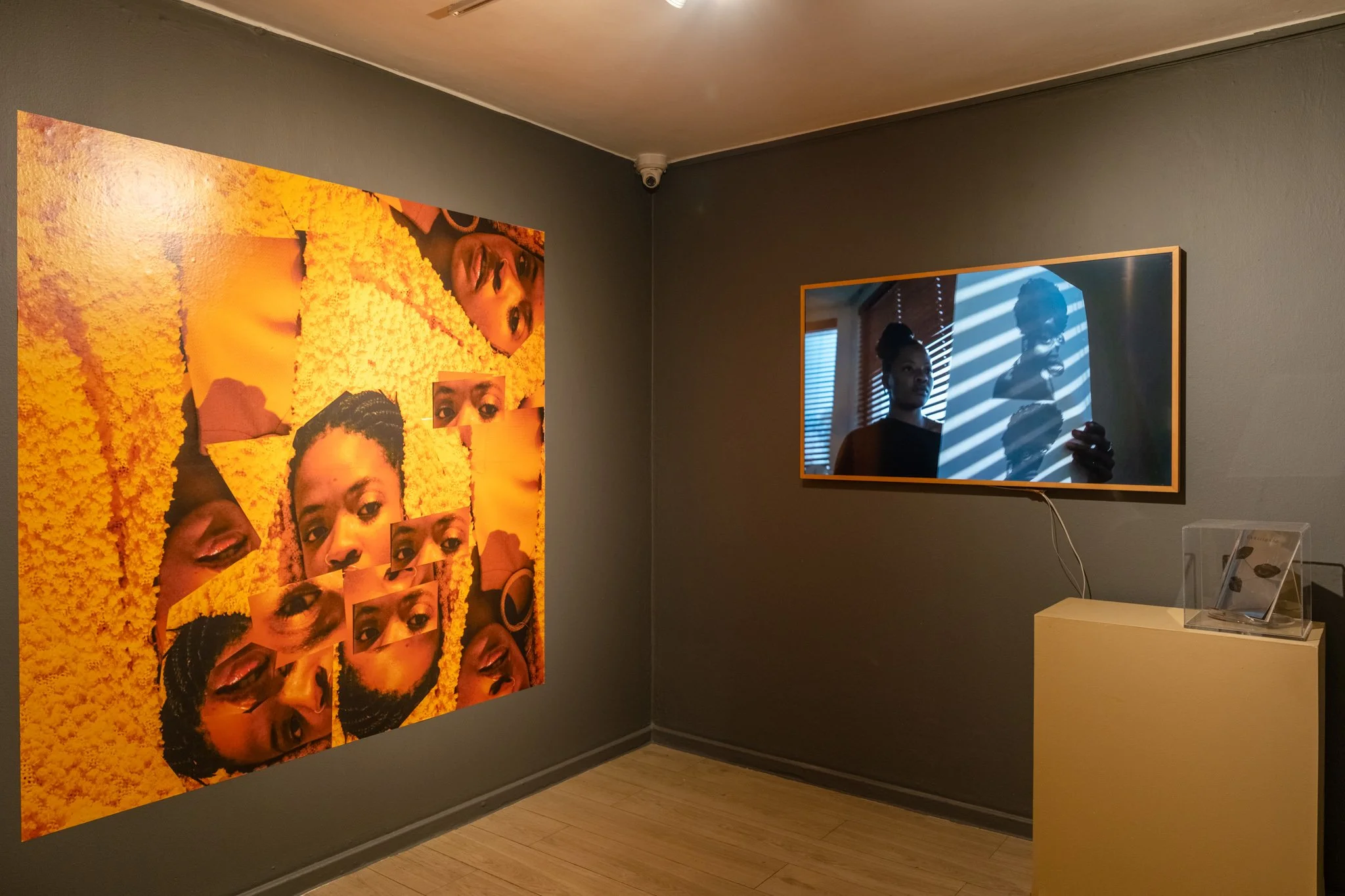
Existing where abstraction disrupts figuration, Ntila’s practice relied on intuition, rigor and irreverent play to build a visual language that embraced questioning more than knowing.
While disruption often refers to suspension, in Ntila’s book it is better read otherwise because questioning does not translate into abandoning. Instead it is the act of unsettling by realising new angles from which to engage.
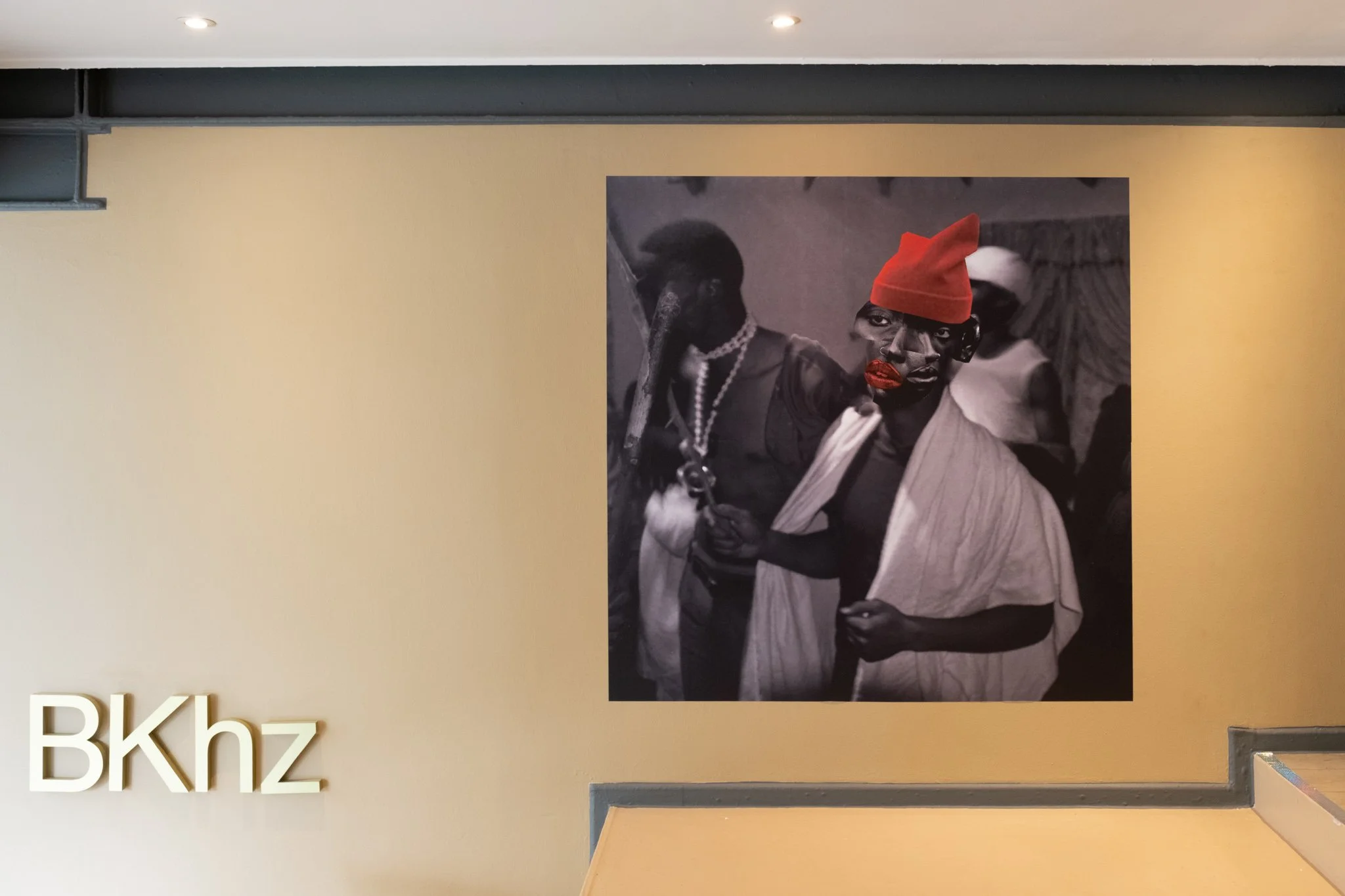
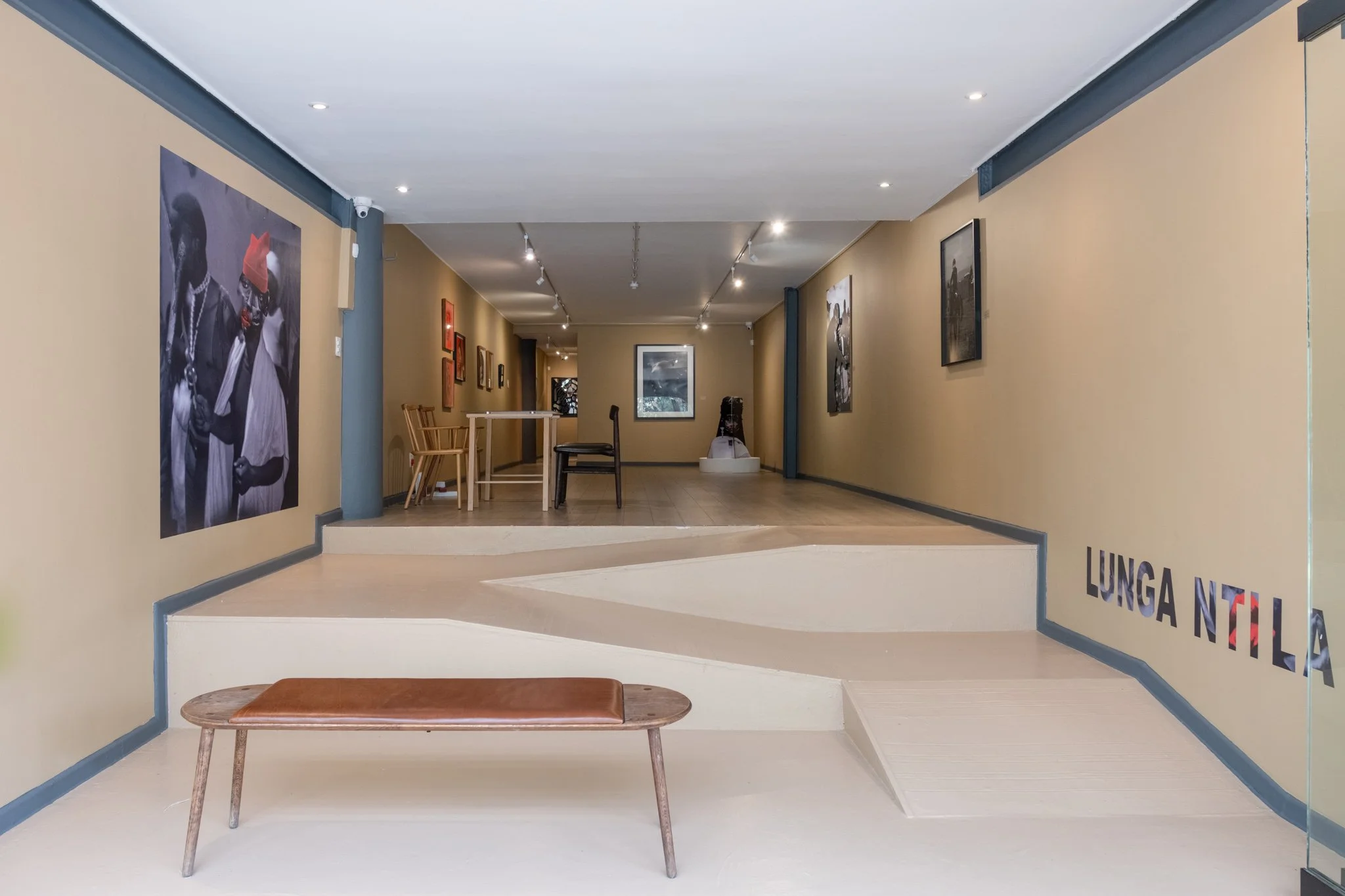
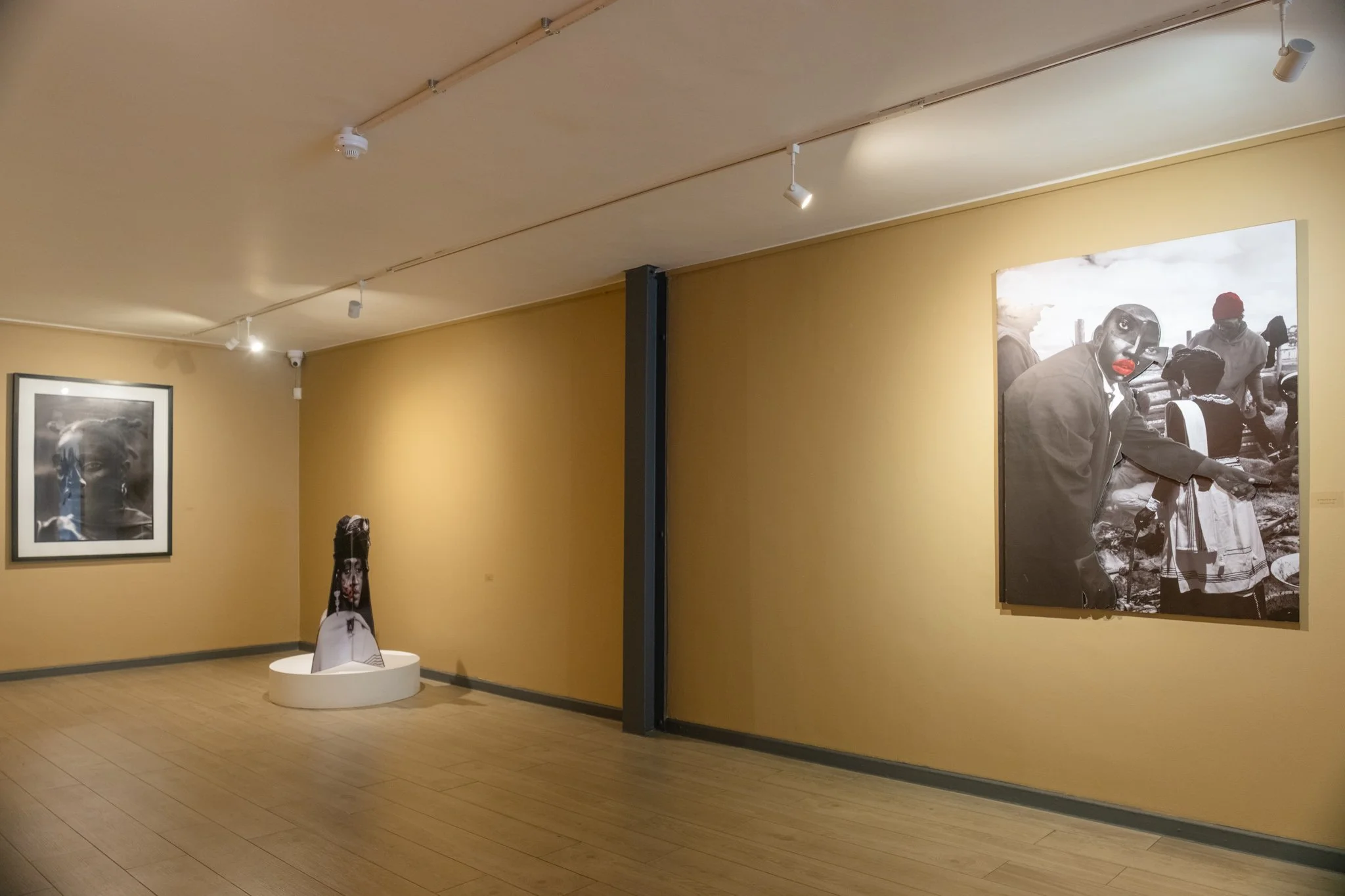
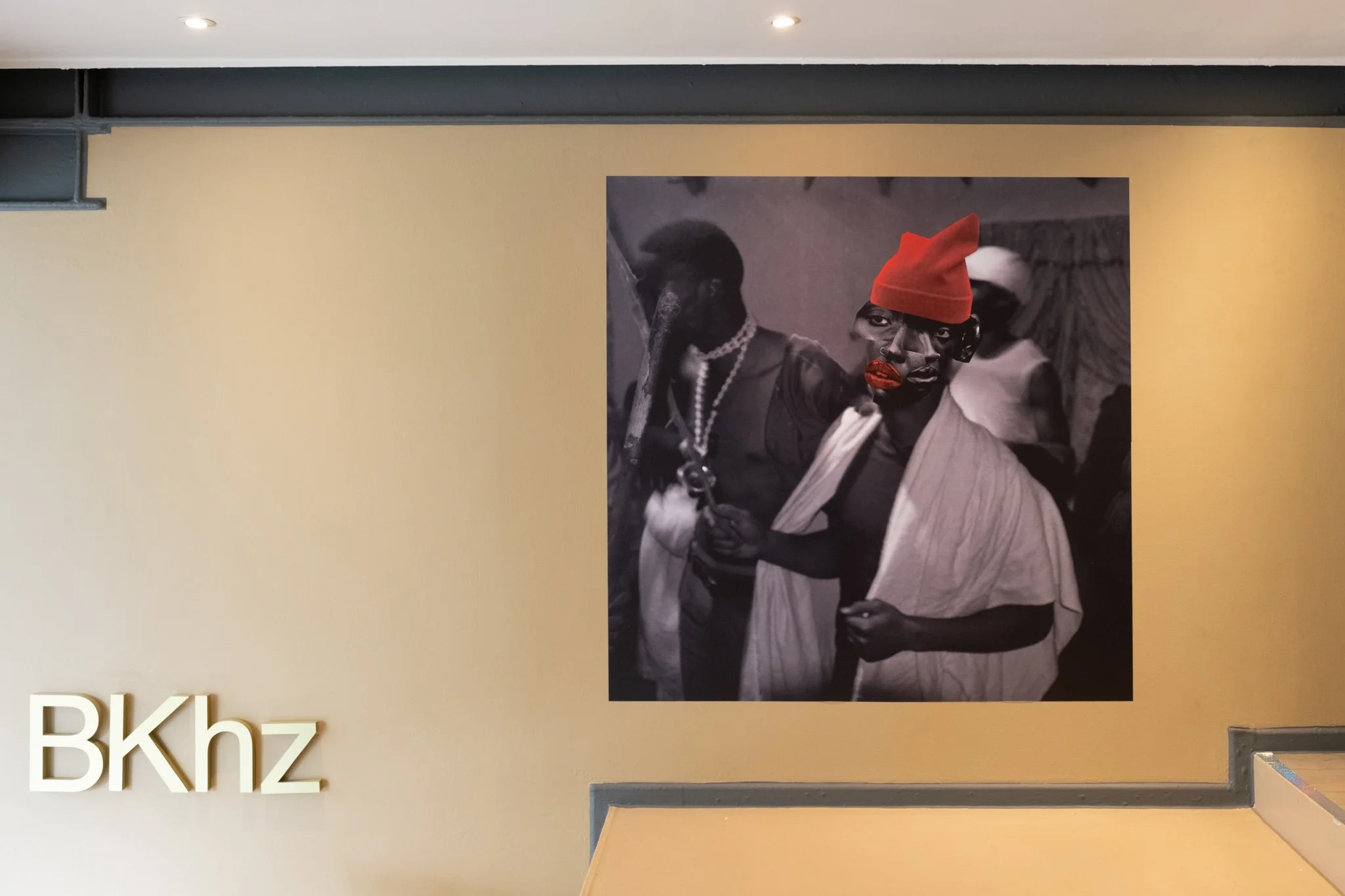
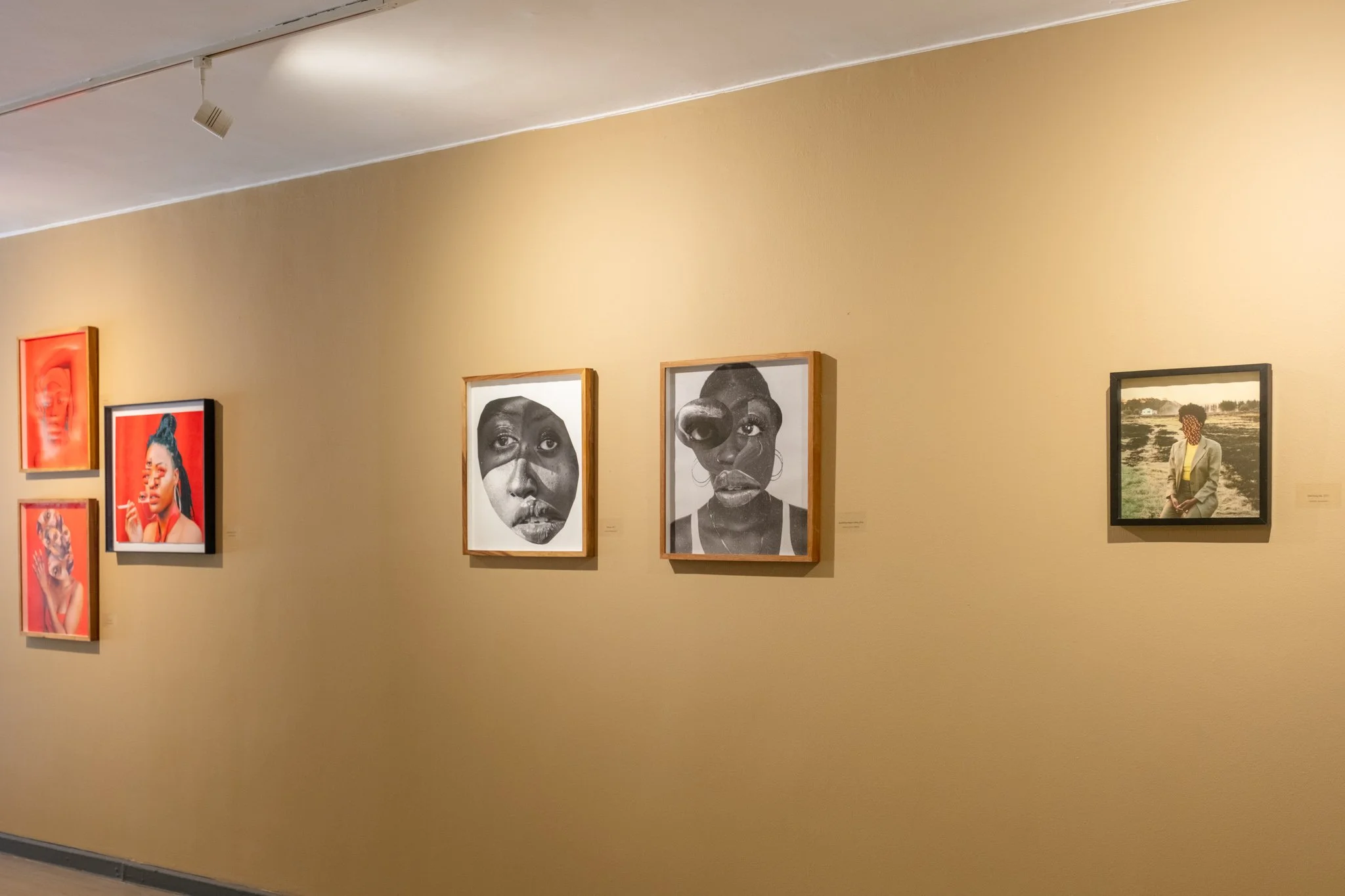
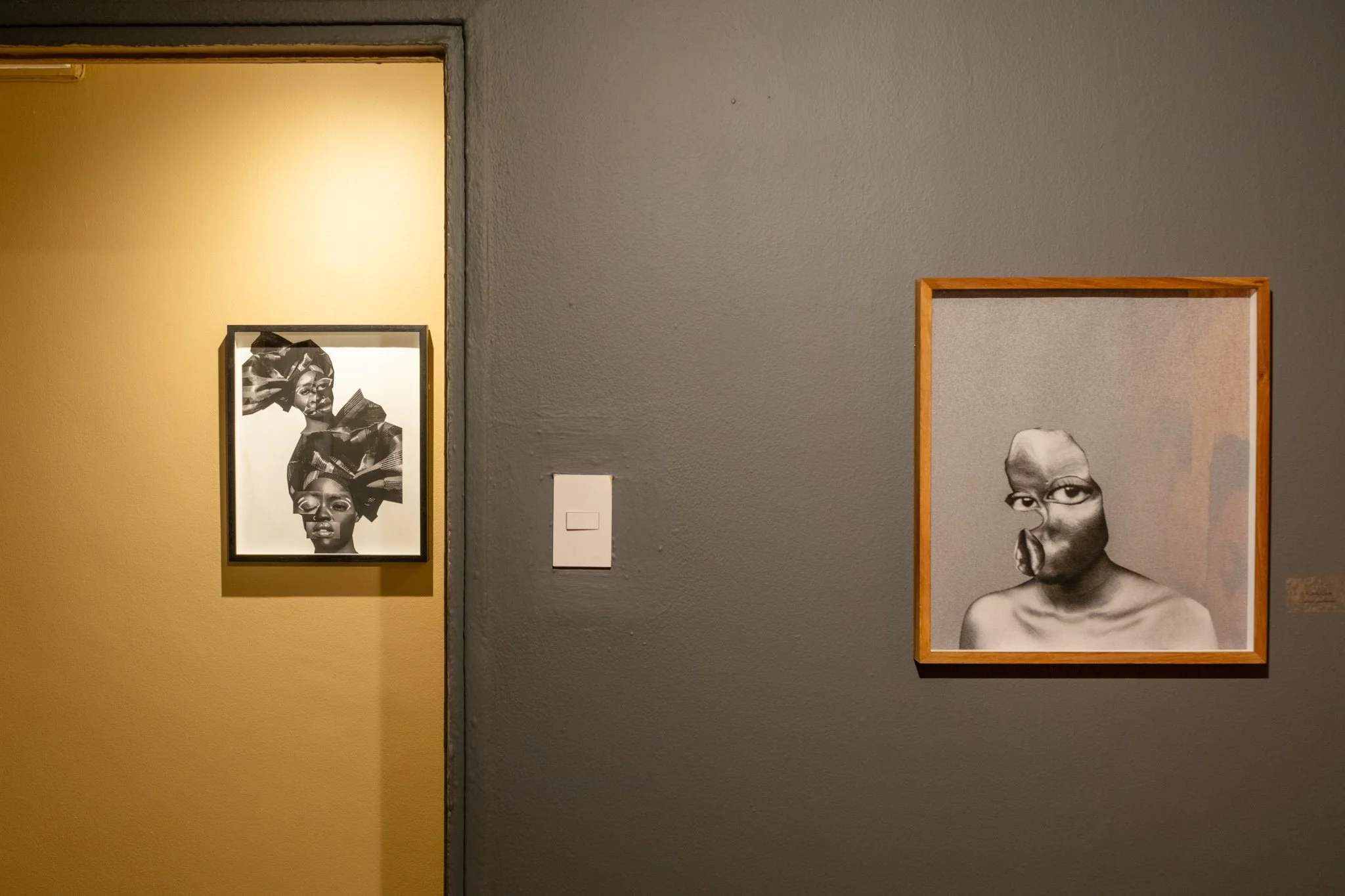
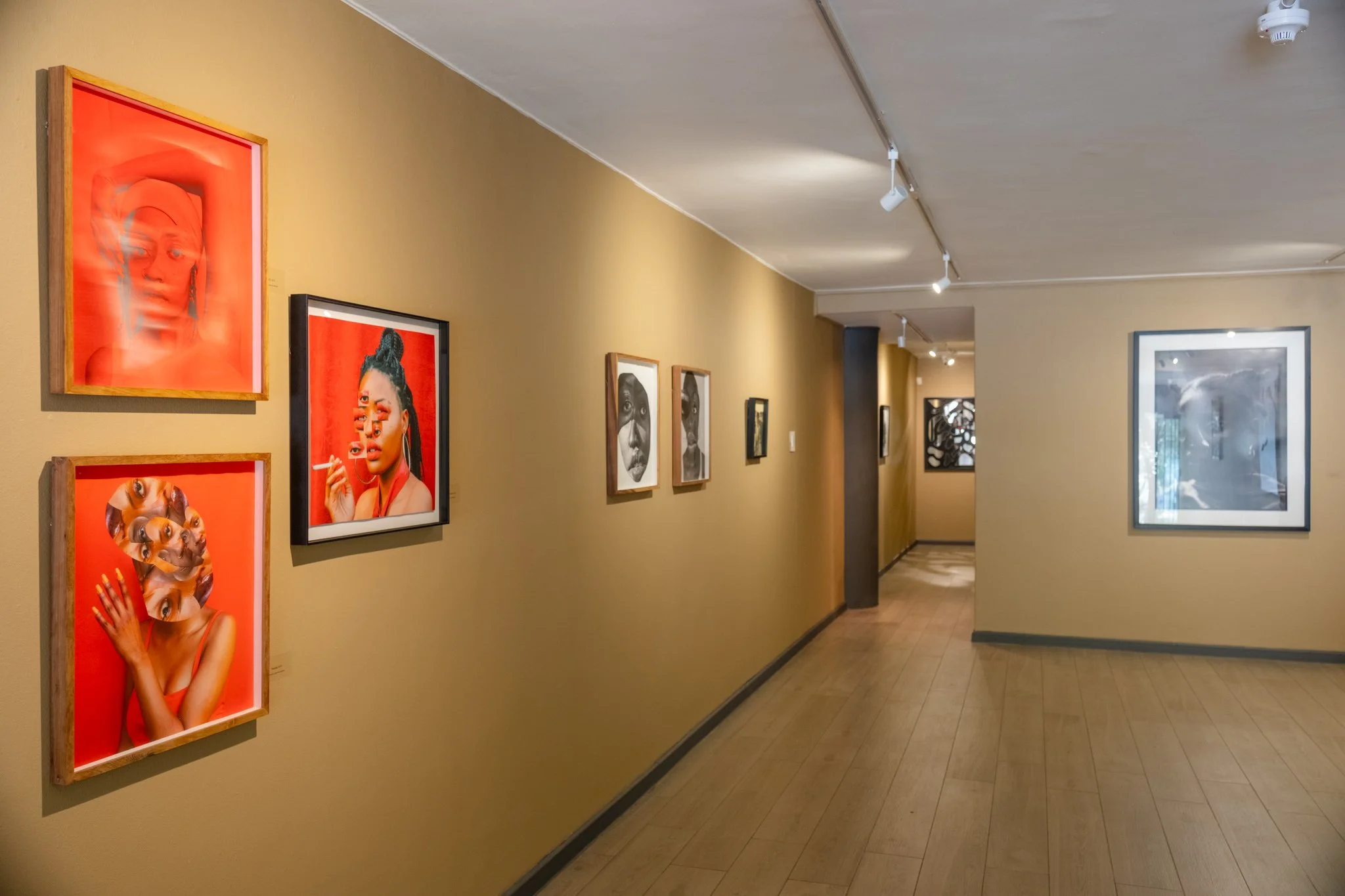
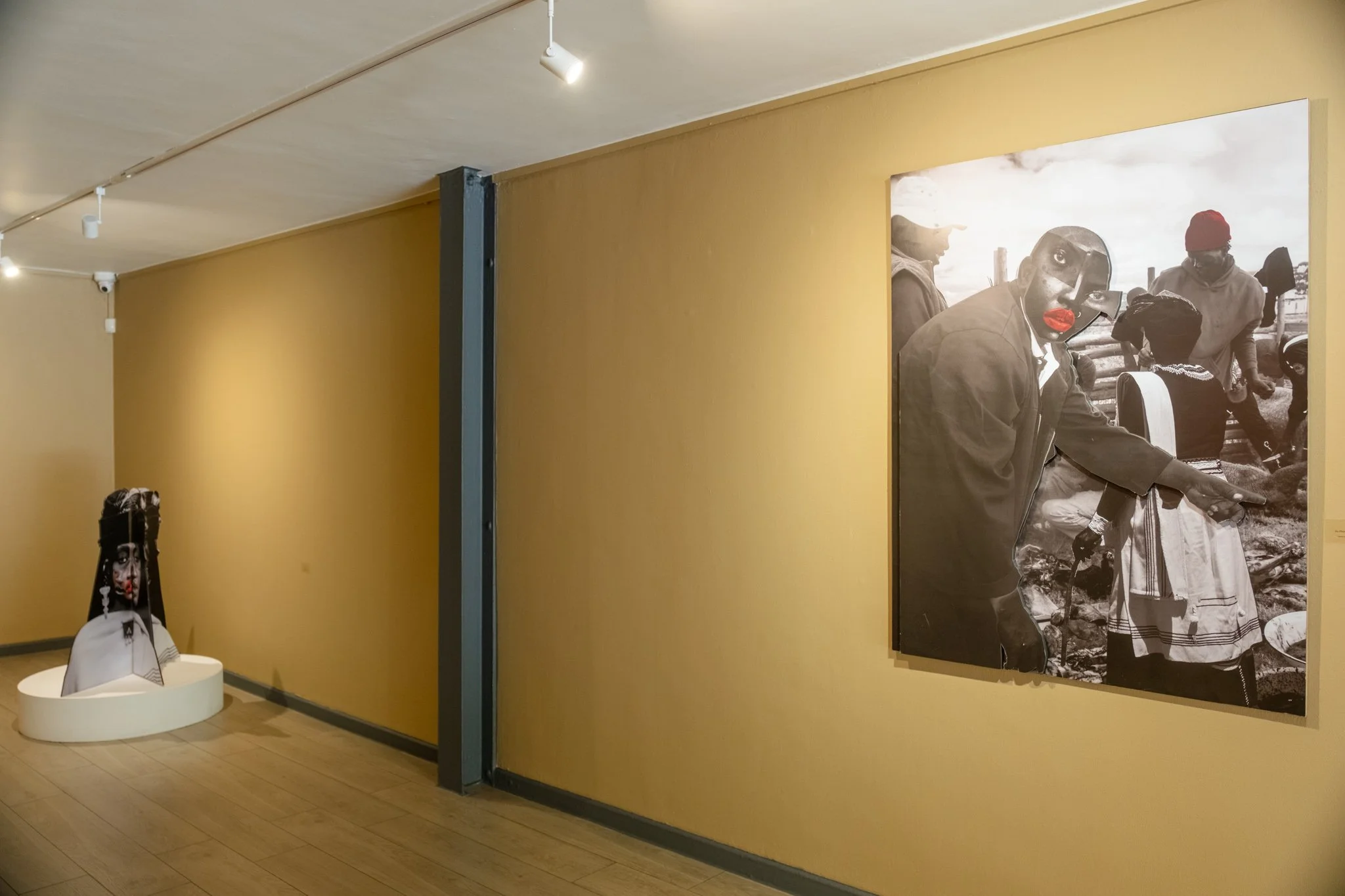
Here: bodies are never simply presented for recognition. They flicker, fragment, and reassemble through collage, gesture, and interruption, refusing the ease with which Black subjectivity has historically been consumed and classified. By disrupting figuration, Ntila resists fixing her subjects in place. Instead, she stages atmospheres of memory, interiority, and negotiation around them. Texture overtakes likeness. Rhythm displaces certainty.
Not to be mistaken for opacity, this is a strategy against the extractive gaze that seeks to stabilise, name, and consume. The figure remains, but unstable, insisting that what we encounter is not a portrait to be possessed, but a presence that exceeds the frame. By loosening likeness and unsettling composition, she interrupts the transaction between viewer and image, suspending the desire to know at first glance. In that pause, something else becomes possible: a slower ethic of looking.
Placing the mediums of performance, photography and collage in dialogue; the artist resisted artist, medium and viewer passivity. Performance carries the immediacy of the body in time; photography arrests that body, translating gesture into image. So if performance and photography are the letters in Ntila’s orthography, then collage becomes the syntax that holds them together. What emerges is not collage as style, ornament or surface but collage as method where authorship loosens, temporality folds, and the body becomes a site of continual negotiation rather than fixed representation. Through it, the politics of looking are reconfigured.
With this grammar, the artist built worlds where alternatives were not flattened, policed or muted. They received time, space and keen attention from the audience. It made its audiences aware of the process of seeing, of recognising, of desiring, not as passive spectators but as active participants in a world she subtly reshaped. Generative, her approach affirmed urges to experiment, take risks and confront, all while pursuing joy. Quiet but insistent, the pedagogical force of the artist’s work continues to teach through resonance.
And so we return to the mirror, altered. It no longer performs confirmation. It holds, instead, a slight delay, a quiet resistance that unsettles the instinct to secure meaning too quickly. In that hesitation, the work leaves us without a stable outline, asking us to remain with what refuses to resolve.
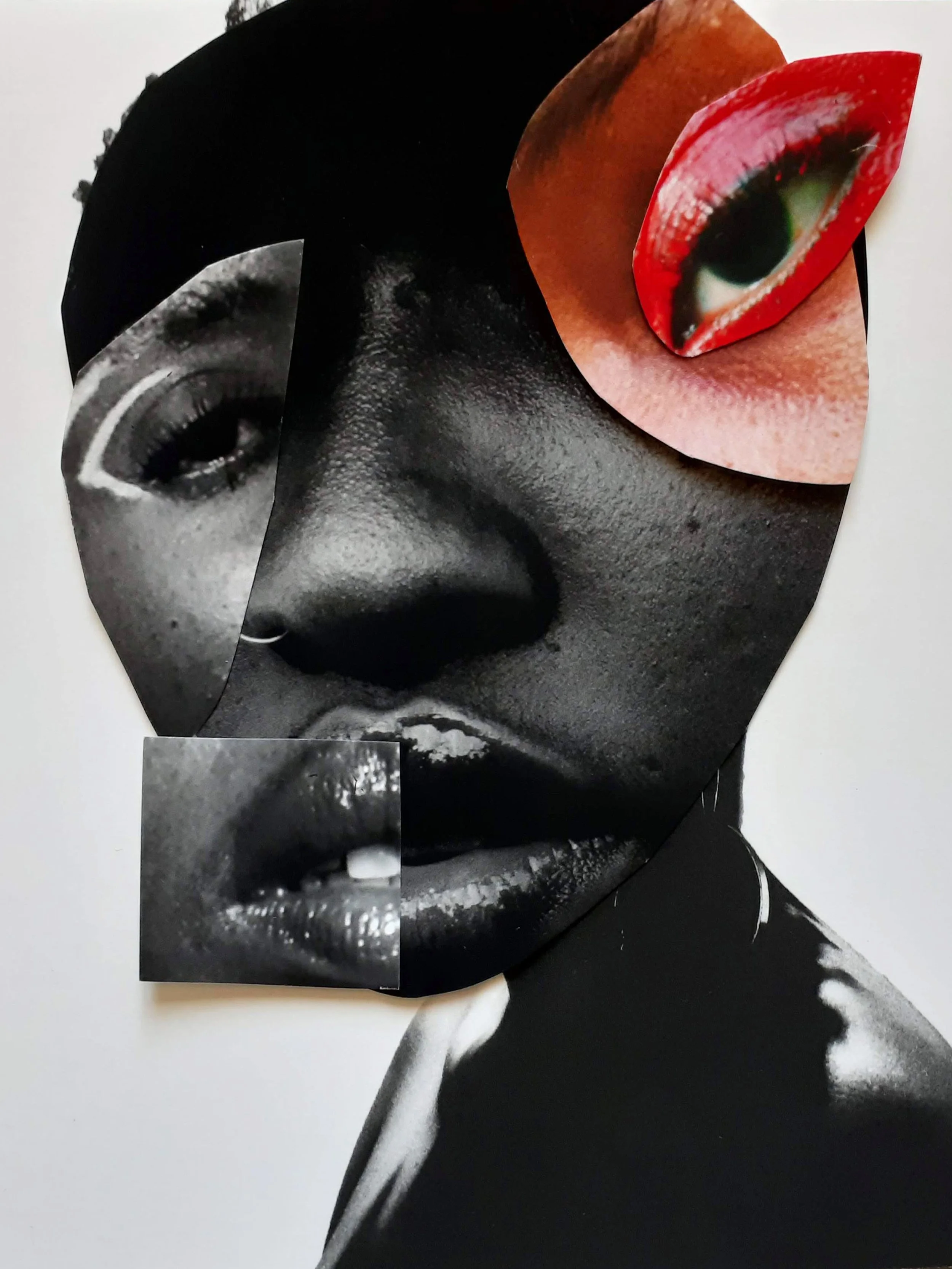
Untitled "Self Portrait"
2019
Year published : 2026
Hahnemuhle German Etching Paper
50,7cm x 67,6cm
Edition of 75
ZAR 9 800 Including VAT
Authenticated by: Family, Gallery & Publisher
For all inquiries contact info@bkhz.co.za